Are you about to buy a home in Lubbock? Wondering what exactly that inspector is looking for during those crucial few hours walking through your potential new house? You're not alone. Every year, thousands of West Texas homebuyers rely on professional inspections to uncover problems that could cost them thousands down the road.
Understanding what inspectors prioritize can help you prepare for the process, ask the right questions, and make informed decisions about your biggest investment. Here are the seven critical areas that licensed inspectors focus on during every home inspection in Lubbock and the surrounding areas.
1. Water Damage: The Silent Home Destroyer
Water damage tops every inspector's priority list: and for good reason. In West Texas, where we experience everything from flash floods to burst pipes during freezing winters, water intrusion can destroy a home's structural integrity and create dangerous mold conditions.
Your inspector will examine every corner where water might hide. They'll check basements, crawl spaces, and foundation areas for signs of moisture intrusion. Look for them spending extra time around windows, examining ceilings for telltale stains, and pressing on flooring to detect soft spots that indicate water damage beneath.
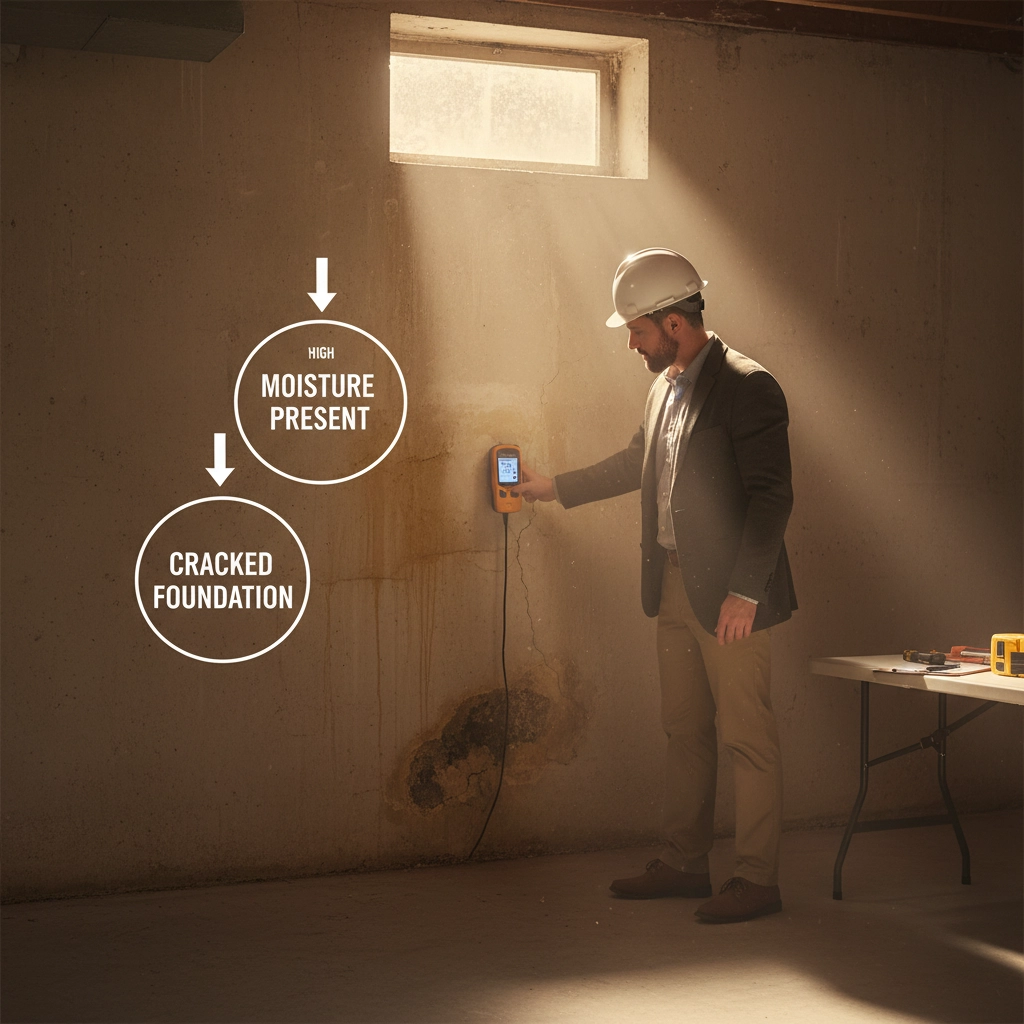
In Lubbock's clay soil conditions, water damage often starts at the foundation level. Inspectors know that poor drainage around your home's perimeter can lead to foundation settling, which creates cracks that allow more water inside: a costly cycle that gets worse over time.
Don't be surprised if your inspector uses a moisture meter or thermal imaging camera to detect hidden water damage. These tools can reveal problems invisible to the naked eye, potentially saving you from purchasing a home with thousands of dollars in hidden water damage.
2. Structural Issues: Your Home's Foundation of Safety
Is your potential new home structurally sound? This isn't just about avoiding costly repairs: it's about your family's safety. Structural problems can make a home unsafe to live in and nearly impossible to insure or sell later.
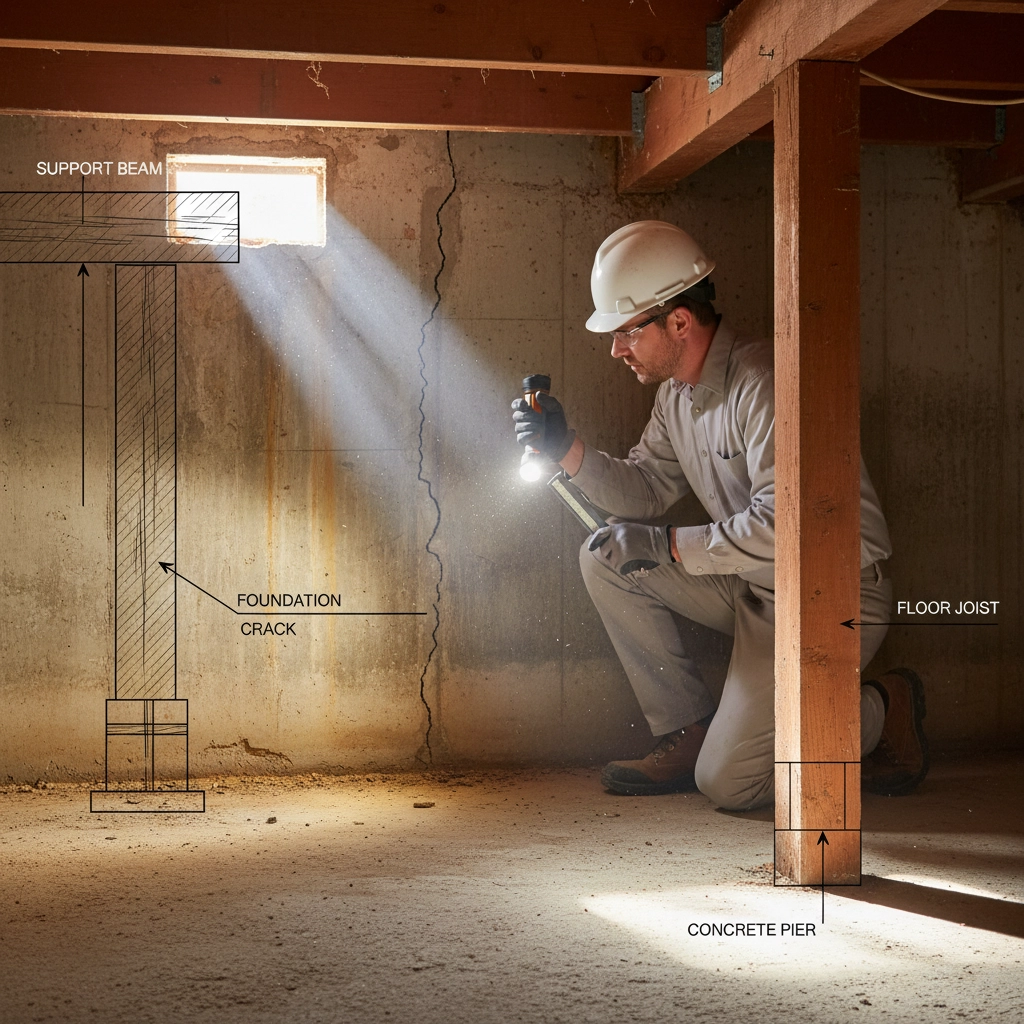
Texas Real Estate Commission standards require inspectors to evaluate the structural integrity of every home. They'll examine your foundation carefully, looking for cracks, bowing walls, and signs of settlement. In West Texas, our expansive clay soil creates unique challenges that experienced local inspectors know how to spot.
Watch for your inspector checking whether walls, ceilings, and floors are level and plumb. They'll look for doors and windows that don't close properly: often the first sign of structural movement. In basements and crawl spaces, they'll examine visible structural wood for sagging, decay, or insect damage that could compromise the home's stability.
Foundation issues are particularly common in our area due to soil conditions and weather extremes. A good inspector will help you understand whether any foundation cracks are normal settling or signs of serious structural problems requiring immediate attention.
3. Roof Damage: Protecting Everything Below
Your roof is your home's first line of defense against West Texas weather: from hailstorms to scorching summer heat. Roof problems don't just mean expensive repairs; they can lead to water damage throughout your entire home.
Inspectors will examine your roof for missing or damaged shingles, particularly after Lubbock's frequent hail storms. They'll check for obvious patches that might indicate previous damage and evaluate whether repairs were done properly. Proper flashing around chimneys, vents, and other roof penetrations is crucial for preventing water intrusion.
Don't expect your inspector to walk on every roof, especially during winter months when frost creates dangerous conditions. However, they'll use binoculars, drones, or ladders to get a clear view of your roof's condition and identify any immediate concerns.
The age and type of your roofing material matters too. Inspectors will evaluate whether your roof is nearing the end of its expected lifespan and help you understand what replacement costs might look like in the coming years.
4. Electrical Problems: Preventing Fires and Ensuring Safety
Electrical issues aren't just inconveniences: they're fire hazards that put your family at risk. The National Fire Protection Association reports that electrical problems cause thousands of house fires every year, making this inspection area critical for your safety.
Your inspector will verify that lights and switches operate properly throughout the home. They'll count outlets in each room to ensure adequate electrical capacity for modern living. In today's connected world, homes need sufficient three-pronged, grounded outlets to handle our electronic devices safely.
Pay attention when your inspector checks the kitchen and bathrooms. These areas require Ground Fault Circuit Interrupter (GFCI) protection for outlets within six feet of sinks. This safety feature prevents electrocution in areas where water and electricity might mix.
Many older Lubbock homes still have outdated electrical panels or wiring that can't handle modern electrical loads safely. Your inspector will evaluate whether the electrical system needs updating to meet current safety standards and your family's needs.
5. Plumbing Issues: Essential for Daily Living
How frustrating would it be to move into your dream home only to discover the shower has no water pressure or the toilet won't flush properly? Plumbing problems affect your daily quality of life and can be expensive to repair.
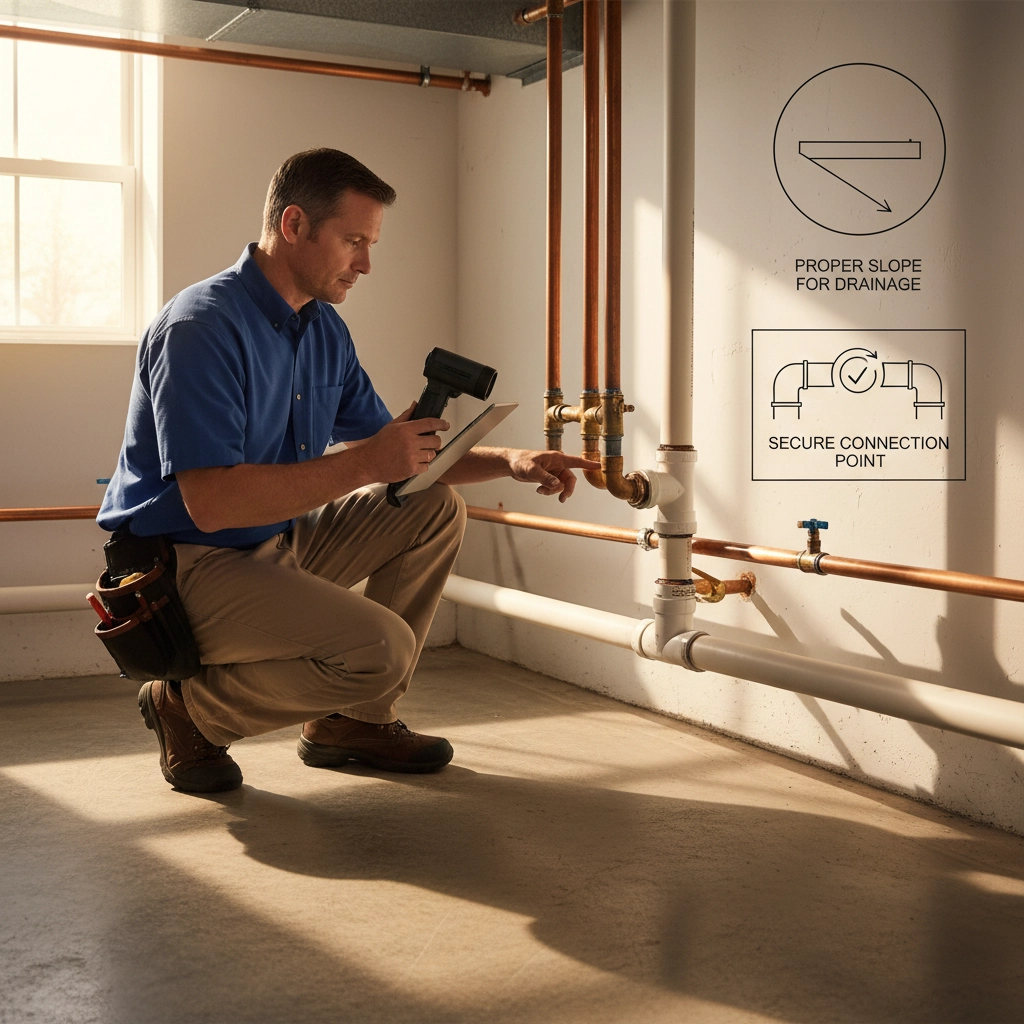
Inspectors examine all visible pipes for damage, corrosion, and leaks. They'll check that drain pipes slope properly toward the septic system or main sewer line: improper grading can cause sewage backups and expensive cleanup costs.
Your water heater gets special attention during the inspection. Inspectors look for rust, proper venting, and appropriate sizing for your home's needs. In West Texas, where hard water is common, they'll also check for mineral buildup that can reduce your water heater's efficiency and lifespan.
Don't be alarmed if your inspector runs water in multiple locations simultaneously: they're testing your home's water pressure and drainage capacity under normal use conditions. This helps identify problems that might not be apparent when testing just one fixture at a time.
6. Insect and Pest Infestations: Protecting Your Investment
Texas is home to termites, carpenter ants, and other destructive pests that can literally eat your home's structure. Pest damage isn't just cosmetic: it can compromise your home's structural integrity and cost thousands in repairs.
Inspectors look for evidence of current or past pest activity, particularly in basements, crawl spaces, and around visible structural wood. They'll check for tiny holes in wood, sawdust piles, and other signs that insects have been at work.
While a standard home inspection includes noting obvious pest issues, you might need a separate pest inspection if your inspector finds concerning evidence. In areas where termites are common: like much of Texas: many lenders actually require a separate termite inspection before approving your mortgage.
Prevention is always better than treatment when it comes to pests. Your inspector might point out conditions that attract pests, like wood touching soil or excessive moisture around your foundation.
7. HVAC System Issues: Comfort and Efficiency
Your heating and cooling system is one of your home's most expensive components to replace. In West Texas, where summer temperatures regularly exceed 100°F, a failing air conditioning system isn't just uncomfortable: it can be dangerous.
Inspectors verify that every habitable room has adequate heating and cooling sources. They'll test your system's operation, though remember that air conditioning can't be tested safely when outdoor temperatures drop below 60°F: Texas Real Estate Commission standards allow inspectors to defer AC testing in cold weather.
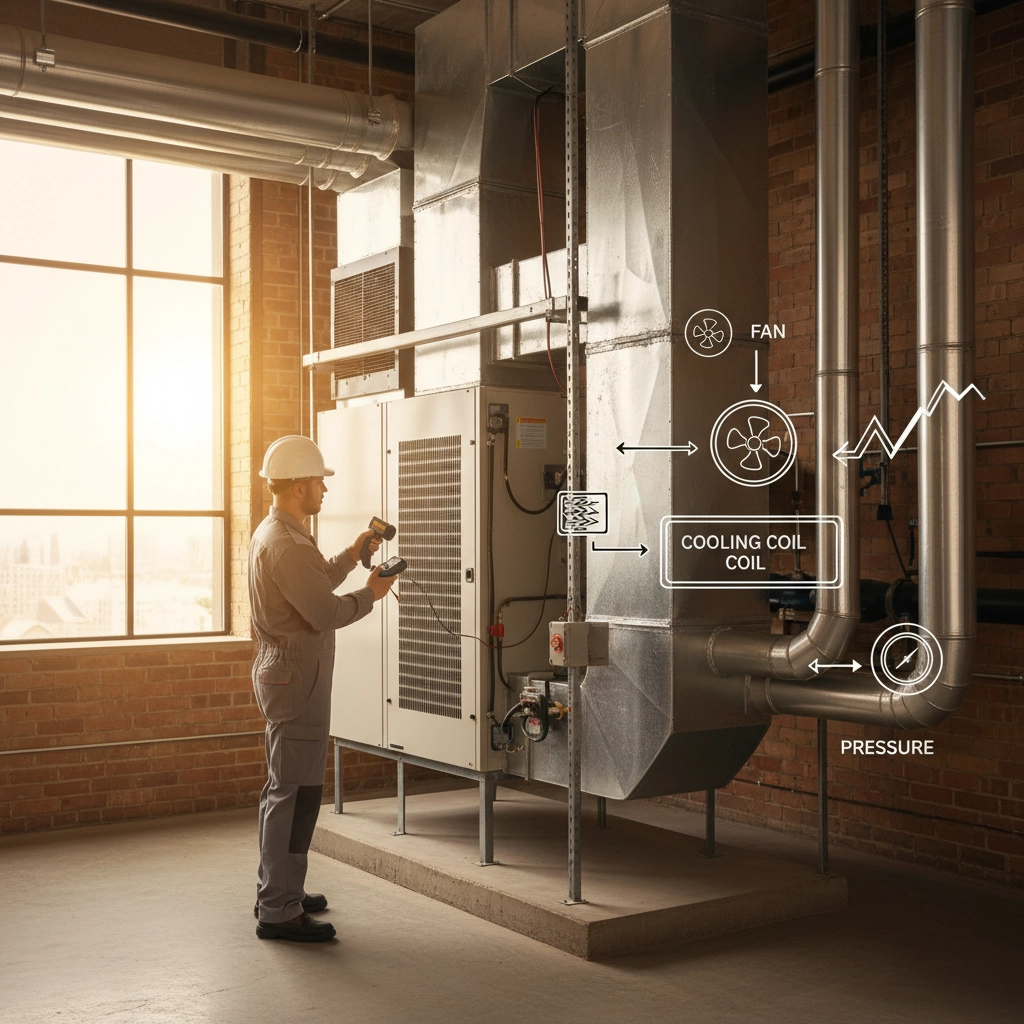
Pay attention when your inspector examines your HVAC system's size and efficiency. An undersized system will struggle to keep your home comfortable during extreme weather, while an oversized system wastes energy and may not properly dehumidify your home.
Don't forget about your home's ductwork. Inspectors look for damaged, disconnected, or poorly insulated ducts that waste energy and reduce your system's efficiency. In older homes, ductwork problems are common and can significantly impact your comfort and utility bills.
Beyond the Big Seven: Additional Critical Areas
Professional inspectors also evaluate several other important areas that affect your home's safety and value. Windows and doors are checked for proper operation, weather sealing, and security features. Broken windows or doors that don't latch properly create security risks and energy inefficiency.
Interior rooms get attention too. Inspectors look for cracks, stains, and other signs of problems in walls, ceilings, and floors. They'll note paint and wall covering conditions, though cosmetic issues are typically less concerning than structural or safety problems.
Your home's exterior siding and trim are examined for damage, decay, or inadequate clearance from ground level. These problems can allow moisture and pests to enter your home, creating the conditions for more serious damage over time.
Making the Most of Your Home Inspection
Understanding these seven critical areas helps you prepare for your home inspection and ask informed questions. Remember that inspectors are there to help you make an educated decision about your purchase: not to kill your deal or create unnecessary alarm.
A thorough inspection protects your investment and gives you peace of mind about your new home's condition. When problems are discovered, you can negotiate repairs with the seller or budget for necessary improvements after closing.
Your home inspection is your opportunity to learn about your potential new home from a professional who understands construction, safety codes, and common problems in West Texas homes. Take advantage of this expertise to ensure you're making a smart investment in your family's future.


